cycle life compared with other type lithium batteries, in additional, it has no memory effect. This is critical for solar power energy storage system. Because solar pv generator is not stable when it charging the batteries. In this way, residential battery storage owner no longer being limited to using only half of the stored power in a battery effectively doubles their capacity. Battery system can be charged anytime, no matter how much current the invertor and PV generated
Different from lead acid battery. The LiFePo4 battery storage system required a BMS. And it is smartly controlling the battery cells inside for charging and discharging. All is managed and monitor by the BMS. The BMS will communicate with invertor directly to make sure the completely system works consistent in a best condition. Leadstone Energy residential battery storage systems come with communication functions. This will tell the solar controller or invertor when to charge, when stop to discharge. All battery state and information are monitor in real-time. This is very important when using battery systems with solar arrays PV system, because the inverters in a solar array system require power to begin making power, regardless of whether they are tied to the grid or not.


200V HV solar energy storageUsage scenario: factory, construction site, school, hospital, libraryVoltage platform: 400 voltBattery Modular: 200v 50AhTimes used: > 3000 timesBattery system: Lithium iron phosphate

48V can be stackable type storage cabinet energy storageUsage scenario: factory, construction site, school, hospital, libraryVoltage platform: 48V 51.2vBattery Modular: 3U 48v 100AhTimes used: > 5000 timesBattery system: Lithium iron phosphate

48V mobile energy storage lithium ion batteryUsage scenario: home, hospital, construction siteVoltage platform: 48Vdc 230VacCapacity: 200AhEnergy: 10,000wTimes used: > 5000 timesBattery system: Lithium iron phosphate

48V 100AH family distributed wall-mounted energy storage li-ion batteryUse scenario: residence, schoolVoltage platform: 51.2 VCapacity: 100 amp hoursTimes used: > 8000 timesEnergy: 5kwh LFPBattery system: Lithium iron phosphate

Leadstone Energy residential solar power battery storageUsage scenario: factory, construction site, school, hospitalVoltage platform: 48VEnergy: 20kwh/ 10Kwh/24kwhBattery modular: 51.2v 100Ah 3.5U battery rackTimes used: > 5000 timesBattery system: Lithium iron p

48V household solar battery storageUsage scenario: factory, construction site, school, hospitalVoltage platform: 48VEnergy: 20kwh/ 10Kwh/24kwhBattery modular: 51.2v 100Ah 3.5U battery rackTimes used: > 5000 timesBattery system: Lithium iron phosphate

Leadstone Energy 48V 100AH All in one energy storage ESSUsage scenario: farm, construction site, factoryVoltage platform: 48Vdc/ 230V ACBattery modular: 48 volt 100 AhSystem voltage: Up to 51.2v voltTimes used: > 5000 timesBattery system: Lithium iron phosphate

Leadstone Energy residential solar power battery storageUsage scenario: family residence, shopping mallVoltage platform: 48VBattery modular: 48v 102AhBattery capacity: up to 80kwhTimes used: > 8000 timesBattery system: LFP Lithium ion battery

OEM Custom household battery storage

How is Home Energy storage works
Leadstone Energy Residential Storage Solutions (ESS) offer a wide variety of products to create and manage resilient energy infrastructures at an optimal cost. ESS offers two primary use cases. The first is creating utility-independent, solar-powered homes (residential ESS). On a larger scale, the second use case is utility supplementing generated power during periods of high demand (utility-scale ESS).
Older generation residential solar energy systems are tied to the utility power grid via inverters, which convert power from solar panels to AC electrical power during daylight hours. Marketable excess power might be sold back to utility companies. However, during the hours of darkness, the end-user is relying on the utility’s electricity supply. Utility companies are aware of these limitations and adjust their pricing models accordingly. Residential customers pay based on “time-of-use” rates, which are higher when solar power is not available.
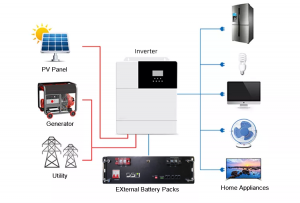
Behind-the-meter ESS is utilized at this point. The electricity that is collected via solar panels charges batteries, the energy is then stored. When using these batteries with an inverter, the demand for AC power can be fulfilled at any time.


48100 comes with two different product models, 48100P and 48100S, to support both P is a battery unit allowed you parallel more unit to increase the system capacity. While P will possible to connect in Series to increase the battery system DC voltage.
Beside the battery system. Leadstone Energy also offer related solar charging controller based on different voltage and current. Custom can easy just connect all component together and start to use the whole system.
Here is link for our Solar charging controller. If you still have some questions, please feel free to contact our sales Consultants. You can email or call us directly based on contact page information.
In ESS, a battery management system fulfills two main functions, namely battery protection and battery monitoring.
Detecting a variety of fault conditions and protecting the battery from damage during the charging and discharging process is the main purpose and functionality of a BMS. Operating a battery outside of its specifications causes damage to the battery cells and leads to battery failure, producing maintenance efforts, and significant cost impact. Batteries must be closely monitored during charging and discharging to avoid these negative effects.
A battery must be monitored systematically, to protect it. The battery management system is in charge of monitoring each of the cells in a battery pack and ensures that they are operated within the safe operating range. Various parameters, such as cell voltage, SOC, state of health (SOH), and the temperature, have a decisive impact on the performance, safety, and lifetime of batteries. A battery needs to be protected against possible external faults that would put the system in danger. Protecting the battery from damage during the normal function of the system (charging and discharging process) is one of the main functionalities of a BMS. Within Infineon’s product portfolio, designers will find the right devices to disconnect the battery system in case a fault is detected, thereby protecting its value. They will also help to detect system faults like overcurrents and short circuits


Outstanding Performance of BMS
There are six main objectives common to all Battery Management Systems:
● Protect the cells or the battery from damage.
● Cell balancing.
● Prolong the life of the battery.
● SOC determination.
● Incorporated functions: Data recording and communication (RS232/RS485,CAN, Bluetooth, SNMP and Ethernet).
● Maintain the battery in a state in which it can fulfil the functional requirements of the application for which it was specified.
Leadstone Energy is the leading Supplier for Rechargeable Lithium type batteries. Leadstone Energy is your best battery partner. Whether you’re looking for a reliable lithium battery manufacturer or a trusted brand to supply quality lithium-ion batteries, Leadstone Energy is here ready to help.
We are dedicated to providing you with the best experience possible.
Corporate Location
NO.1 HenDong science Zone
BuildingTangxia District
Guangdong Province. China
1st Floor Main Building, Kolkata
West Bengal 700001, India
info@leadstoneenergy.com
Saturday – Sunday: 9:00 AM – 12:00 PM
© Copyright 2025 | Leadstone Energy Limited| All Rights Reserved